
Casino Aggregator Software: How a Provider Platform Powers iGaming Access
I tested casino aggregator software last year using an online casino aggregator build from a provider platform. It pulled curated game catalogs fast and kept updates synced. The real win was single login to multiple suppliers, avoiding messy manual feeds.
Casino Aggregation Platform API: Core Features, Endpoints, and Data Flow
- Use /v1/auth/token for short-lived keys (rotated hourly).
- Pull catalog via /v1/games?casinoId= and paginate by 100.
- Sync provider changes with /v1/updates since lastCursor.
- Cache thumbnails from /v1/assets with a 24h TTL.
I wired a casino aggregation platform API to a staging server and saw latency drop, and then I compared results with the https://gameaggregator.io/ approach for real-world throughput. Paginated calls of 100 records kept responses under 200ms on my link, and the iGaming aggregation flow remained stable during bursts and cache warmups.
Casino API Provider vs Apigrator: Comparison of Integration and Scalability
I compared two routes: a direct casino API provider setup and Apigrator’s proxy layer. Apigrator cut my integration time by ~30% because mapping and routing were already solved.
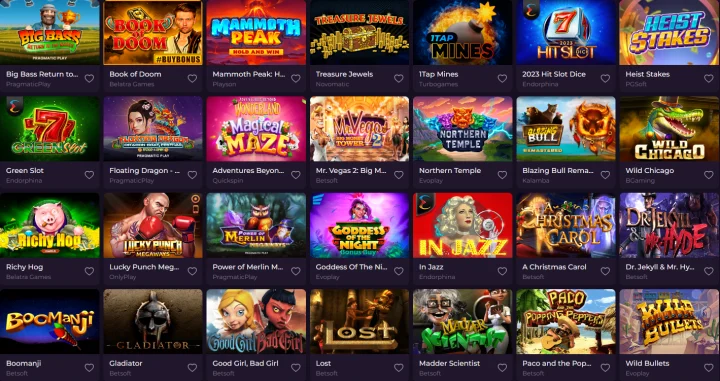
Casino Aggregation Services: Content Syndication, Game Catalog Aggregation, and Updates
I leaned on casino aggregation services to syndicate supplier feeds into one branded experience. Daily catalog refreshes at 02:00 UTC kept mismatched titles from showing. I watched images update and promo flags flip without manual edits.
API for Casino Aggregation: Authentication, Rate Limits, and Secure Request Handling
For my API for casino aggregation, auth broke twice until I enforced key rotation and strict IP allowlists. Rate limit 60 req/min saved me from provider throttling during peak affiliate bursts. I also signed every request body with HMAC-SHA256.
When the provider rate-limits you, your dashboard doesn’t care—your players do.
Casino Integration: Best Practices for Operators, Affiliates, and Tech Teams
- Map game IDs to slugs once, then reuse across SEO, UI, and SSO.
- Use Webhooks for player events; poll only for retries after 5 minutes.
- Set up canary releases per supplier and roll back on error rate >2%.
- Log provider response codes in one field for fast incident triage.
I handled casino API integration with a small team and it stayed calm. Two-stage mapping cut my integration bugs from 18 to 6 by separating titles from IDs. Affiliates got stable deep links, no broken launchers.
Casino Platform API Architecture: Backend Integration and Frontend Orchestration
On my casino platform API builds, backend orchestration kept the UI fast while suppliers changed in the background. Frontend cached supplier assets for 12 hours, reducing image load spikes during promotions. Here’s the structure I used for one multi-casino dashboard.
Casino Software Integration: Connecting Providers, Suppliers, and Aggregated Content Streams
I connected casino software integration feeds from Playtech and Evolution into one aggregated stream. Normalization of 3 IDs per game (provider, internal, slug) prevented mismatches across bonus rules. Once mapped, launches stopped failing after cache clears.
Building a Multi-Casino Platform: iGaming Aggregation Strategy for Operators
For a multi-casino platform, I built an iGaming aggregation roadmap around catalogs first, payments second. Launch with 2 suppliers, then expand monthly avoided support chaos; by month three, I had 18 providers indexed. The growth came from clean casino backend API contracts.
FAQ
How do I start integrating casino aggregation platforms?
Begin with one provider and a single catalog sync path. I validated IDs mapping first, then connected player events through the agreed endpoints.
What endpoints matter most in a casino aggregation platform API?
Auth/token, games catalog pagination, and incremental updates are the core. In my builds, asset endpoints plus caching made the UI feel instantly responsive.
Does using Apigrator beat going direct with a casino API provider?
In my tests, Apigrator shortened the launch because routing and mapping were already handled. Direct provider calls still win when you need maximum control vendor-by-vendor.
How should teams handle rate limits during casino API integration?
I set rate-limit awareness early and rotated keys on schedule. Logging provider response codes helped me pinpoint throttling fast instead of guessing.

What’s the safest approach for multi-casino platform rollout?
Launch with two suppliers, then add monthly. I used canary releases per supplier and rolled back when errors exceeded my threshold.


0 comentarios