
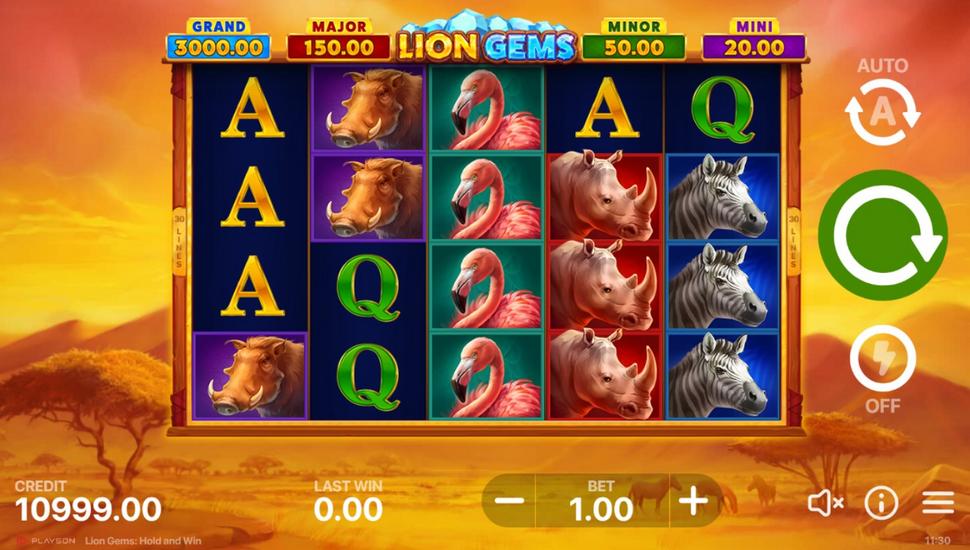
The manner in which enthusiasts enjoy Hold and Win Games has quietly evolved beyond the casual tap on a smartphone hold-and-win.org. A growing movement looks to turn a corner of the home into a personal gaming zone, where each visual element and sensory ease amplifies the signature tension of the hold-and-respin mechanic. Crafting such an setting is not about luxury; it is a considered way to hospitality for oneself, mixing practical tech with an atmosphere that transforms short periods of expectation into a truly memorable private retreat without ever needing to step outside.
Crafting Ambience With Layered Lighting
Lighting does more than lighting a space; it creates a mood that directly influences decision-making. Harsh overhead fixtures introduce a sterile, somewhat anxious energy that opposes the laid-back confidence required for Hold and Win Games. Instead, layered lighting composed of multiple soft sources lets a player to craft the room’s character. Floor lamps aimed at walls create a warm bounce, while intelligent LED strips positioned behind a monitor emit a bias light that reduces eye strain and noticeably enhances the contrast of the game’s sparkling interface.
Color temperature serves as an essential control for psychological comfort. Cooler white tones close to 4000K can heighten alertness during midday breaks, yet they frequently appear clinical after dusk. A shift to warm amber hues near 2700K tells the brain to relax without causing drowsiness. For players who enjoy the ritual of launching a hold-and-win session at night, dimmable smart bulbs programmed to transition gradually into a soft golden glow can serve as a ceremonial prelude, indicating that it is time to unwind and focus purely on the spinning grid.
Subtle dynamic lighting loosely aligned with gameplay represents a tasteful upgrade for those desiring a deeper sensory envelope. A gentle pulsing glow during a respin sequence or a static triumph color when a major jackpot lands can enhance the emotional reward without transforming into a fairground distraction. The goal stays balance; lighting should aid the eyes and heart rate, never taking attention from the critical milliseconds where a player scans which symbols to hold and which reels to release for a final, fortune-setting spin.
Ergonomics and mastering supportive seating
The body protests neglect, and a poorly chosen chair can turn a exciting hold-and-win bonus into a battle with back pain. Ergonomic seating is not a luxury accessory but the primary connection point between player and setup. A chair that has adjustable seat depth, lower back support, and adjustable armrests allows the spine to maintain its natural curvature while shoulders remain loose. When the physical structure is relaxed, the thinking effort of planning which reels offer the greatest jackpot odds becomes less taxing and more fluid.
The height of the desk compared to the chair controls wrist position and viewing angle. The ideal surface keeps forearms parallel to the floor, with the display’s top positioned even with or just under the eyes. This alignment prevents the creeping forward lean that squeezes the diaphragm and encourages shallow, anxious breaths. During the breathing space between respins, an straight yet natural stance helps sustain a calm physiological state, ensuring that rapid calls during the hold round come from a state of calm focus rather than muscular stress.
Motion should be invited, not stilled. Even a top-tier seat cannot replace the necessity of small movements and shifting weight. A footrest that rotates smoothly or a stability board under the workstation stimulates light movement without breaking concentration. Gamers who use these active seating aids often mention extended, more enjoyable playtimes with Hold and Win slots because their muscles stay loose while monitoring several jackpot pools. Comfort becomes an active, ongoing conversation with the body rather than a fixed seat.
Visual Technology and Screen Setup
The display is the portal through which the colorful universe of Hold and Win Games comes to life, making display selection a critical decision. A big curved monitor can envelop the field of view in color, making grid symbols feel almost tangible. More importantly, high resolution and a fast refresh rate prevent motion blur during the rapid reel stoppages that define the respin spectacle. When a player watches coins stream into the hold zone with absolute clarity, the satisfaction becomes profoundly visual as much as financial.
Adjustment matters as much as hardware capability. Factory settings often push blue light and contrast to glaring extremes that tire the retina within thirty minutes. A well-adjusted profile with optimal brightness levels, a touch warmer white balance, and correct gamma uncovers the intricate textures within game icons without causing a squint. Players who fine-tune their display to a mild, paper-like luminance find that their eyes stay fresh through extended cycles of bonus rounds, prepared to savor every sparkling animation.
Screen positioning finishes the ergonomic puzzle. A monitor arm that allows effortless height, tilt, and swivel adjustments adapts the display to the player’s posture moment by moment. For those who occasionally lean back to enjoy a simple autoplay phase or move closer close when the hold feature triggers, this flexibility maintains an optimal viewing distance that prevents the tunnel vision and neck tension linked to fixed displays. A well-positioned screen feels less like a device and more like a organic window into the game’s electric atmosphere.
Selecting a Foundation Location Inside the Home
The first critical step entails pinpointing a zone that naturally promotes uninterrupted focus. A spare bedroom is the gold standard, yet a converted walk-in closet, a quiet alcove under a staircase, or a section of a finished basement can function equally well. The key depends on separation from high-traffic household pathways where noise and movement fracture concentration. Players who appreciate the slow-building suspense of Hold and Win Games discover that physical enclosure helps the mind transition into a receptive, calm state ready for the dynamic visual triggers of the bonus rounds.
Natural light has a delicate role in this decision. A window can combat cabin fatigue during longer sessions, but direct sunlight glaring across a screen washes out the vibrant colors of gem symbols and cash prize overlays. An ideal location provides the ability to control daylight with heavy curtains or blinds. When users seek a cave-like immersion for evening play, the absence of flickering streetlights or passing headlights ensures that the deep blacks and luminous accents on the display remain crisp and free of distracting reflections.
Practical infrastructure should never be overlooked during site selection. Proximity to ample power outlets removes the visual clutter and trip hazard of extension cords snaking across the floor. Ventilation and temperature control matter profoundly, as small enclosed spaces can grow stuffy after an hour of focused entertainment. A gentle, consistent airflow maintains the senses sharp and the body comfortable, which naturally aids the patience needed when waiting for that perfect symbol to lock in place during a hold feature.
Designing an Engrossing Soundscape
Audio fidelity usually gets relegated to an afterthought, yet for Hold and Win Games, sound is a vital instrument of immersion. The chimes of locked symbols, the quickening beat of a countdown timer, and the gratifying clink of a coin cascade are all engineered by developers to amplify anticipation. Built-in monitor speakers flatten this experience into a tinny echo. A dedicated sound system or a high-impedance set of headphones exposes the detailed layers of audio design, allowing the player to tangibly feel the bass weight of a growing progressive pot.
Acoustic treatment doesn’t have to involve professional studio foam. Soft furnishings like heavy rugs, bookcases containing varied objects, and fabric wall hangings effectively absorb harsh reflective frequencies that cause listening fatigue. In a small converted nook, such materials prevent sound from bouncing sharply and creating a disorienting boxiness. When the audio environment is acoustically calm, the subtle audio cues that signal a pending hold feature becoming active are sensed instantly, giving the player a gentle, intuitive edge in timing their reactions.
For those sharing a home, closed-back headphones become a courteous bridge between personal liberty and domestic harmony. A high-quality wireless pair with low latency codecs ensures that the synchronization between the visual lock of a symbol and its corresponding sound effect remains remarkably tight. This private audio bubble encloses the player inside the world of the game, isolating the gentle narrative of risk and reward from the mundane household sounds of kettles and conversations, creating an oasis of pure, undisturbed recreational focus.
Navigating Interruptions and Strong Boundaries
A sanctuary surrenders its power the moment it becomes open to everyday distractions. Communicating boundaries with family members or housemates is a considerate kindness. A simple visual signal, such as a specific lamp turned on when deep concentration is active, kindly invites others to postpone non-urgent questions. This mutual understanding protects the flow state required by Hold and Win Games, where a single distraction during the lottery-style suspense of a respin can cause a player to miss the optimal moment to confirm a hold.
Digital hygiene applies to the devices that live within the space. Keeping a secondary phone or a tablet strictly for game-related purposes creates a barrier against the dopamine drain of social media notifications or work emails. The brain, when enveloped in the calming light and rich audio of the gaming nook, quickly understands that this is a news-free zone. Over time, simply sitting in the chair and powering on the dedicated screen becomes a Pavlovian trigger for deep, restorative absorption in the pursuit of the next big hold prize.
Time management tools integrated deliberately into the room prevent sessions from bleeding into restless hours. A silent analog clock on the wall or a programmed ambient light shift that dims gradually towards midnight acts as a gentle steward of wellbeing. Enjoying Hold and Win Games as a hobby prospers when the player exits the space feeling refreshed rather than depleted. Designing the room with a clear exit ritual, such as a cool-down track of nature sounds, helps the mind emerge gracefully into the rest of the home’s embrace.
Reliable Connectivity and System Performance
The digital backbone of a dedicated gaming space is not showy, yet it subtly governs the integrity of every session. Hold and Win Games utilize server communication for random number generation and prompt prize crediting. A wired Ethernet connection provides a fortress of stability against the micro-dropouts and latency spikes that trouble dense wireless environments. When the timer on a hold feature counts down, packet loss is unacceptable; a robust cable connection guarantees the command to lock a symbol arrives without a single flicker of uncertainty.
The gaming device itself, whether a desktop PC, laptop, or tablet, needs a lean software environment. Background applications that wake to update or scan files siphon processor cycles and can cause stutter exactly when a jackpot animation needs seamless rendering. Dedicated players set up a lean operating profile that suspends notifications and system alerts during game time. This software hygiene preserves the fluidity of the hold-and-win interface, allowing the focus to remain entirely on the gathering momentum of locked icons rather than on buffering wheels.
Cooling and longevity complete the performance picture. A small personal space can heat up quickly when powerful hardware runs at full tilt. Ensuring that the device has adequate ventilation or even passive cooling pads under a laptop avoids thermal throttling that could degrade frame rates during crucial moments. A system that breathes easily stays quiet, too, avoiding the intrusive fan roar that disrupts the carefully constructed audio canopy of the room and pulls the player out of the immersive zone.
Tailoring the Space Free of Clutter
Decoration anchors an emotional connection to the room, transforming a functional cubicle into a player’s signature den. A carefully chosen palette of deep navy, charcoal, or forest green on the walls absorbs ambient light and directs visual emphasis onto the glowing display. Accents of metallic gold or copper in curtain rods, lamp bases, and small ornaments can subtly mirror the prized golden frames that surround jackpot symbols in many Hold and Win Games, creating a reflective design motif that feels luxurious rather than on the nose.
Physical objects that bring tactile comfort add to the holistic calm. A soft throw blanket draped over the chair, a smooth stone coaster for a beverage, or a small potted plant that thrives in low light adds organic textures into the digital equation. These elements supply a momentary grounding connection between spins, a gentle reminder of the real world that prevents the gaming session from becoming an untethered trance. The fingers brushing a cool ceramic mug form a micro-ritual that resets attention.
Visual memorabilia should be curated minimally to avoid generating cognitive noise. A single framed piece of art inspired by the aesthetic of classic casino motifs or a stylized neon sign with a personal motto adds the space character without screaming. When the room feels genuinely owned, the player enters not just a gaming station but a personal theatre of fortune, where the anticipation of the hold mechanic feels like the main act in a story they have crafted for themselves through their environment design.
The Timeless Joy of a Purpose-Built Retreat
A dedicated gaming space for Hold and Win Games transcends the mere task of setting up a room. It is a promise to savoring digital leisure with complete sensory integrity. The act of adjusting light, sound, touch, and technology into harmony transforms a individual pastime into a profound, layered practice of mindfulness. Each component, from the supportive curve of the chair to the consistent silence of a wired connection, strips away a layer of distraction between the player and the sheer thrill of chance that these games offer.
There is a deep psychological comfort in having a destination within one’s own walls that is wholly designed for joy. The walk to that corner, the ceremony of adjusting the lighting, and the first pristine chime from the speakers indicate a boundary between duty and delight. In a world that continually blurs lines between work and leisure, creating this physical demarcation is an act of personal care. It proclaims that the excitement found in locking a full grid of hold symbols warrants its own protected stage, free from interruption.
Creating such a space does not necessitate a renovation budget or a large floor plan. It begins with one purposeful change: swapping a harsh bulb for a warm one, running an Ethernet cable across a baseboard, or setting a small plant in the line of sight. The collective effect of these small gestures is a customized arena where Hold and Win Games can be enjoyed not just as a ordinary distraction but as a cherished ritual. The home gains a heartbeat of anticipation, and the player receives a daily ticket to a world of shimmering possibility.


0 comentarios